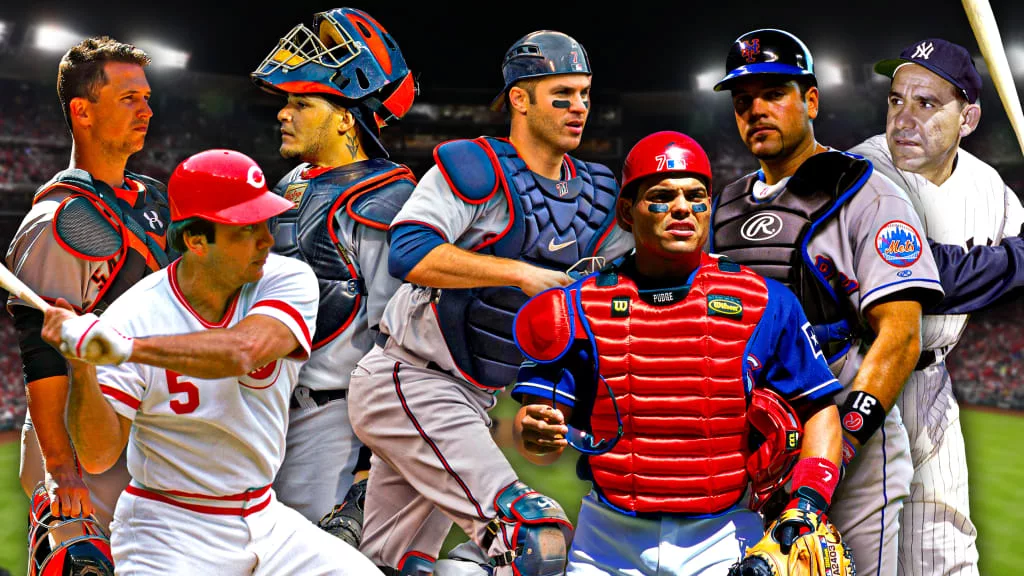
The history of the catching position in baseball is a fascinating evolution that reflects changes in the game's rules, equipment, and strategy. Catchers have always been integral to the game, although their role, responsibilities, and the position's physical demands have changed significantly over time. What catchers were in the early 1900's and what they are today's is like night and day. That said, there are some interesting misconceptions that still linger with the unheralded position.
Early Years (1840s–1870s)
- Origins of the Position: The catching position dates back to baseball's earliest days in the mid-19th century. In the 1840s and 1850s, baseball was played in informal settings, and the position of catcher wasn't as formally defined. Players would often take turns behind the plate without much specialized equipment.
- Equipment: Early catchers didn't have much protection; a simple mask and gloves were sometimes used. The catcher was primarily responsible for catching the ball and handling base runners.
- The First Modern Catchers: The role became more formalized as baseball grew more organized, particularly with the establishment of professional leagues like the National Association of Professional Base Ball Players (NAPBBP) in 1871. The catcher became a more defined position, often a player with a strong defensive mindset.
The 1870s–1900s: Formalization and Protection
- Introduction of Protective Gear: In the late 19th century, the game saw the first innovations in protective gear to help catchers endure the demands of the position. This included padded gloves, chest protectors, and catcher's masks. The first masks were simple, often made of metal or other available materials.
- The Role Evolves: As the game grew, catchers became more integral to the defense, not just as backstops but also as leaders on the field. They would often work closely with pitchers to determine pitch strategy and signal pitch types.
- The Dead-Ball Era: The late 19th and early 20th centuries were characterized by the "dead-ball era," where the focus on strategic baseball (e.g., bunting and stealing) required catchers to be highly skilled in controlling the running game.
The 1900s–1950s: Strategic Adaptations
- Improved Equipment: The 20th century saw further advancements in catcher's equipment. This included reinforced masks, better chest protectors, shin guards, and improved gloves, allowing catchers to better absorb the physical demands of the position.
- Strategic Role: Catchers took on a more strategic role, focusing not just on defense but on working with pitchers and managing hitters. Their role as field leaders became more pronounced.
- Famous Catchers: Stars like Mickey Cochrane, Bill Dickey, and Yogi Berra exemplified the evolving role of catchers as both defensive assets and offensive contributors.
The 1960s–Present: Specialization and Athleticism
By the mid-20th century, the catcher position became one of the most demanding in baseball. It required agility, strength, and endurance, especially as the role expanded to include advanced defensive skills and strategic use in game planning. Modern catchers' equipment continued to evolve with technology, offering better protection and mobility while reducing the risk of injury. The emphasis on pitch framing (the art of receiving pitches in a way that influences umpire calls), controlling the running game, and blocking pitches in the dirt became core aspects of a catcher’s role. The biggest change in the catching position starting in the 1960's (and a little bit before) was the emphasis on offensive contributions. The position began seeing more specialized offensive roles, with catchers expected to contribute more consistently at the plate. Catchers like Johnny Bench, Gary Carter, Mike Piazza, and others helped redefine the position by combining defensive skill with offensive firepower. That is correct, the catcher was no longer expected to be a defensive figure, but they were supposed to be POWER HITTERS.
Modern Catchers
In today's game, catchers use advanced analytics and technology to study opposing hitters and develop game plans with their pitchers. The role of the catcher has expanded to include working with advanced scouting reports, pitch sequencing, and defensive strategies. The modern catcher has to balance strength, endurance, flexibility, and quickness, as they often must manage long games, crouch for extended periods, and respond to various in-game situations. The catching position has transformed from a relatively informal and rudimentary role to one of the most specialized and physically demanding positions in baseball. Today's catchers are some of the most well-rounded athletes in the game, combining defensive skill, strategic knowledge, and offensive ability to meet the modern demands of baseball.
However, are catchers still considered the power hitters that many wanted the catchers to be from the 1960's on? Basically, are catchers all about defense or are they offensive players? In today's game it is hard to be both. As of May 30, 2024, the average offensive stat for a Major League Baseball (MLB) catcher was an OPS of .691, which is close to the league-wide average of .697 for all positions. Since 1879, catchers have not had a higher average OPS than the league-wide average at the end of a season. Typically, the catcher of today bats at the bottom of the batting order and it is not untypical for a catcher to have a batting average below .240. The average batting average for a major league player at all positions is .250. The catching position, especially in today's game, is a very physically demanding position and it is understood that the catcher will perform less in the offensive part of the game because of normal wear and tear of the position.
But............ are they still considered a power hitting position still. Well, to answer that question lets look at the all-time leaders in homeruns for each major league team and overall.
Most Career HR's by a Catcher
- Mike Piazza - 399
- Carlton Fisk - 366
- Johnny Bench - 356
- Yogi Berra - 336
- Lane Parrish - 324
- Ivan Rodriguez - 311
- Gary Carter - 307
- Brian McCann - 282
- Salvador Perez - 273 **
- Jorge Posada - 261
- Javy Lopez - 252
- Roy Campanella - 242
- Gabby Hartnett - 236
- Ted Simmons - 222
- Benito Santiago - 217
** Active Player
One thing that you will notice about the two lists is that:
- Not many current catchers are on the all-time home run list.
- Total homeruns for the team leaders are not very high.
Only 4 of the top 10 all time home run leaders played in the 2000's but Rodriguez debuted in 1991 and Jorge Posada debuted in 1995. The lone current active player on the top 10 list is Salvador Perez of the Kansas City Royals.
Interesting fact when looking at the all-time leaders per team and there is one player that is on the list twice (Mike Zunino). Zunino is on the list for both the Seattle Mariners and Tampa Bay Rays.
What can we take from the lists is that for a time the catching position was a home run hitting position. Today, that isn't much the case anymore. However, if a team can find a player that does bring that tangible asset to the field they can be an all-time great like Piazza, Berra, Rodriguez and Perez.
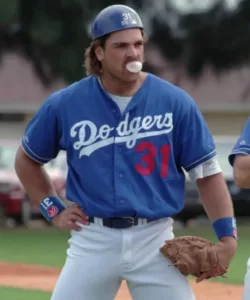
|
Mike Piazza |
|
Carlton Fisk |
|
Johnny Bench |
|
Yogi Berra |
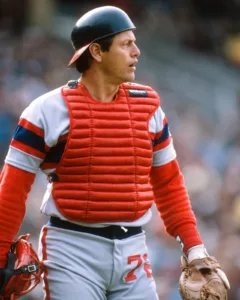
|
Lance Parrish |
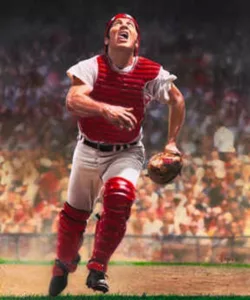
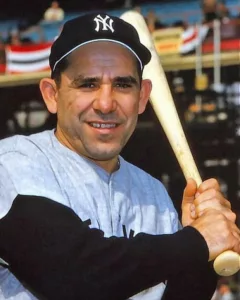
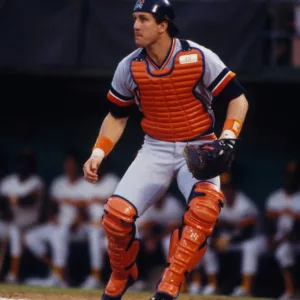
Most Catcher HR's by Team
Arizona- Miguel Monteo - 93
Atlanta - Javy Lopez - 209
Baltimore - Chris Hoiles - 142
Boston - Jason Varitek - 190
Chicago (NL) - Gabby Hartnett - 212
Chicago (AL) - Carlton Fisk - 194
Cincinnati - Johnny Bench - 327
Cleveland - Sandy Alomar - 91
Colorado - Chris Iannetta - 75
Detriot - Lance Parrish - 193
Houston - Alan Ashby - 69
Kansas City- Salvador Perez- 216**
Los Angeles (AL)- Mike Napoli- 75
Los Angeles (NL) - Roy Campanella - 239
Miami- Charles Johnson- 73
Milwaukee- Jonathan Lucroy - 77
Minnesota - Joe Mauer - 91
New York (NL) - Mike Piazza - 200
New York (AL)- Yogi Berra - 297
Oakland - Terry Steinbach- 116
Philadelphia- Mike Lieberthal- 149
Pittsburgh - Jason Kendall - 66
San Diego- Benito Santiago - 85
San Francisco- Buster Posey - 129
Seattle - Mike Zunino- 95
St. Louis - Yadier Molina - 174
Tampa Bay - Mike Zunino - 50
Texas - Ivan Rodriguez - 212
Toronto- Ernie Whitt- 127
Washington (expos) Gary Carter- 202
** Active Player