When the first iPhone was released in 2007, it was notable for how different it was. That year and for a year or so afterwards, you noticed when you saw someone using one, as it was a dramatically different phone from all the candy bar, flip phones and Blackberrys that were the norm.
But within just a few years, the slab-style/touch-screen type iPhones and Android copies had become ubiquitous. Before long, anyone carrying a flip phone seemed to be a relic from a different time because consumers quickly decided that a slab phone with a touchscreen was way better and more useful than a flip phone.
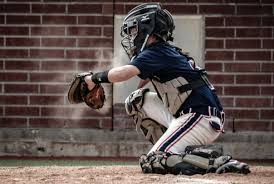
In Major League Baseball, one-knee-down catching has reached an iPhone level of pervasiveness with conventional setups going the way of the flip phone. Now, players have been using an approach like this for years, remember Tony Pena. But it hasn’t reached the popularity level that it is now.
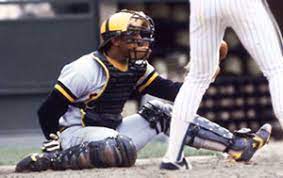
When Baseball America first studied this in 2021 with a look at regular catchers from the 2020 season, they found 41% of MLB catchers used a conventional setup, 39% used a one-knee-down (OKD) setup and 20% used a hybrid approach, varying between the two. There was an almost 50-50 split between the two approaches.
When they looked again using the regular MLB catchers from the 2022 season, they found that 56% used the one-knee setup, 36% used a traditional setup and 8% used a hybrid setup. The one-knee setup seemed to be gaining an upper hand.
The debate on one knee catching in baseball revolves around the effectiveness and practicality of this catching technique compared to the traditional two-knee stance. Here are arguments for and against one knee catching:
Arguments For
- Improved Framing and Receiving: Proponents argue that catching from one knee allows catchers to present a lower target, making it easier to frame pitches and receive low strikes. This can potentially lead to more favorable calls from umpires and improve a team's pitching performance.
- Quicker Release: By starting from a lower stance, catchers can potentially reduce the time it takes to transition from catching to throwing, thereby improving their ability to throw out baserunners attempting to steal.
- Less Strain on the Body: Squatting on both knees for long periods can be physically demanding and may lead to fatigue or injury over time. Catching from one knee may alleviate some of this strain and help prolong a catcher's career.
- Adaptation to Pitchers: Some pitchers may prefer catchers to use a one knee stance, as it provides a lower target and allows them to throw their breaking pitches with more confidence.
Arguments Against
- Limited Mobility: Critics argue that catching from one knee restricts a catcher's mobility behind the plate, making it more difficult to block wild pitches, handle bunts, or react to unexpected plays.
- Reduced Visibility: By lowering their stance, catchers may have a harder time seeing the entire field and anticipating plays. This could lead to missed opportunities to catch baserunners stealing or to make defensive plays.
- Risk of Injury: While one knee catching may reduce strain on the legs, it could potentially increase strain on other parts of the body, such as the back or knees, especially if catchers are not properly conditioned or do not maintain proper form.
- Difficulty Handling High Pitches: Catching from one knee may make it more challenging to handle high fastballs or pitches that require catchers to reach above their heads, potentially leading to more passed balls or missed opportunities to catch strikes.
The debate on one knee catching is multifaceted, with arguments for and against the technique. While some believe it offers advantages in framing pitches and reducing strain on the body, others argue that it limits mobility and defensive capabilities behind the plate. Ultimately, the effectiveness of one knee catching may vary depending on individual catchers' preferences, skills, and physical attributes, as well as the strategies and preferences of pitching staffs and coaching staffs.
A question then arises, when should a player start using the one-knee approach. With social media today, anyone can calm to be an instructor thanks to all the YouTube drills that are available and various people are hoping on the latest trends. Thanks to outlets like MLB Network players can get tips from the pros, but are pro players a good example for the youth players? This might be the biggest argument with the one-knee catching approach.
The one-knee approach might be great for pro catchers and many of the high level college catchers. By using the one knee approach the catcher can get lower in the zone and start to steal some strikes. When you have pitchers that are pretty accurate getting an extra inch or two outside the zone is beneficial. However, what if your pitchers are not accurate in hitting their spots, does the one-knee approach work for them? Again, the argument against is the lack of mobility.
Another benefit of the one-knee is the quicker release. With pro catchers and some college catchers that have sub 2.0 pop times this will help them, but what about the youth catcher who is throwing a 3.0+ pop time? Not all catchers are the same and an approach that works for one might not work for another. Any one that says one approach is better than the other might not be the best instructor to learn from. The approach needs to fit the player and the level they are playing at. Does the one-knee approach work, Yes and No. Does the traditional catching stance work best? Sometimes and Sometimes not. The catching stance is like the batting stance, the player needs to be comfortable in whichever way they go.

For some additional information and high school statistics use this link.