The 2nd Oldest MLB Ballpark
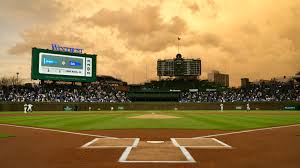
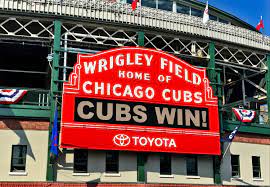
Wrigley Field is a historic baseball stadium located in Chicago, Illinois. It is the home field for the Chicago Cubs, one of the oldest and most iconic teams in Major League Baseball (MLB). Wrigley Field is known for its distinctive features, including its ivy-covered outfield walls and the manual-operated scoreboard.
The stadium was designed by brothers Zachary Davis and Charles G. Davis. The steel and concrete structure was built in 1914 on the site of a former seminary at the corner of Addison and Clark streets on the north side of Chicago. (Boston’s Fenway Park opened two years earlier.) It reportedly cost $250,000 and took just two months to complete. The single-deck stadium was named Weeghman Park after its owner, Charles Weeghman, and had a seating capacity of 14,000.
The park hosted its first major-league baseball game on April 23, 1914, with the home field Federals (of the Federal League) defeating the Kansas City Packers. After the league folded in 1915, Weeghman led a group that purchased the Cubs, and the team made its Weeghman Park debut on April 20, 1916. Four years later William Wrigley Jr. a chewing-gum manufacturer, bought the Cubs and renamed the stadium Cubs Park. In 1926 the current name, Wrigley Field, was adopted. The team and stadium were later bought (1981) by the Tribune Company; Wrigley Field reportedly sold for $600,000.
Throughout much of its history, the stadium underwent renovations. The first occurred just days after the opening game in 1914, with the outfield walls being moved back to decrease the number of home runs. More notably, in 1927–28 an upper deck was added, and in 1937–38 a boomerang-shaped bleacher section. The latter renovation also saw the addition of two features that would become among the stadium’s most well known: a hand-operated scoreboard and ivy on the outfield brick walls. In addition, the stadium’s Art Deco marquee, located outside the home-plate entrance, was added in 1934. Although initially green in color, it was later painted red.
The neighborhood around the stadium—known as Wrigleyville—also became more developed, especially from the 1990s. Although home to numerous bars and restaurants, the area was largely residential, which added to the stadium’s appeal but also resulted in resistance to some proposed changes. Notably, in 1988, only after threatening to move were the Cubs allowed to add lights to Wrigley, thereby enabling night games. After the Cubs and Wrigley were purchased by the Ricketts family in 2009, a major renovation was proposed that drew strong objections from some residents. Ultimately, however, much of the plan was approved. Upgrades included a massive Jumbotron that was unveiled over the left-field bleachers in 2015. The area immediately around the stadium was also the site of numerous construction projects, including a hotel.
Here are some key points about Wrigley Field:
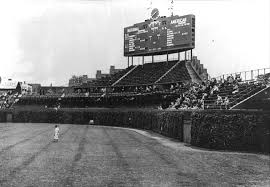
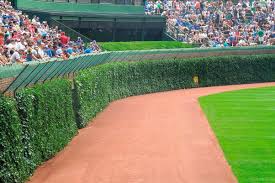
- Ivy-Covered Walls: Bill Veeck is the person who decided on the ivy. In 1937, Veeck decided to plant Boston ivy on the outfield walls of Wrigley Field. The purpose was both aesthetic and practical. The ivy was intended to give the ballpark a distinctive, timeless look while also serving as a way to help protect the brick walls from the elements. Over the years, the ivy has become one of the iconic and recognizable features of Wrigley Field.
- Manual Scoreboard: Wrigley Field has a manually operated centerfield scoreboard. The iconic scoreboard displays scores from around the league, inning-by-inning updates, and other information. It is one of the few remaining manual scoreboards in MLB.
- Windy City: Wrigley Field is often referred to as the "Friendly Confines" and is located in the Wrigleyville neighborhood on Chicago's North Side. The park is known for the unpredictable winds that can affect the flight of the ball, adding an extra element of challenge for players.
- Day Games: Wrigley Field was one of the last MLB stadiums to install lights for night games. Night games were introduced in 1988, and day games at Wrigley Field continue to be a cherished tradition.
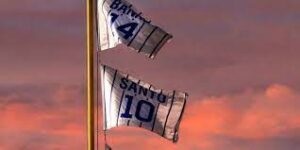
- Retired Numbers: There are 5 numbers and 6 players with retired numbers at Wrigley. 10-Ron Santo, 14- Ernie Banks, 23-Ryan Sandburg, 26-Billy Williams, 31-Fergie Jenkins and Greg Maddux which are displayed on flags.
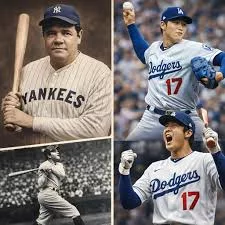
- Famous Shot: Babe Ruth’s famous called shot (home run) occurred at Wrigley in the 1932 World Series.
- Loveable Losers: The Chicago Cubs have won three World Series titles, but only one came at Wrigley Field in 2016.
Wrigley Field's rich history, unique features, and the enduring connection between the Cubs and their fans make it one of the most beloved and iconic ballparks in the United States. In addition to the Cubs, Wrigley Field hosted other teams and events. From 1921 to 1970 it was home to the NFL Chicago Bears despite posing unique problems to football players; of particular concern were the brick walls that were often just inches from the playing field. In 1922 Wrigley also began hosting concerts, and in the ensuing decades it occasionally was the site of college football and hockey games. Other notable events held at the stadium included a ski jumping contest (1944) and several boxing matches.