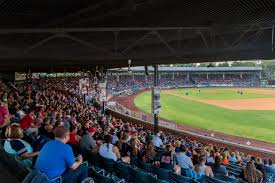
HISTORIC BOSSE FIELD
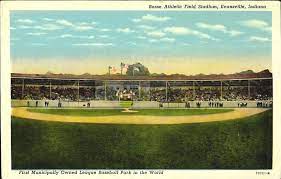
Bosse Field, nestled in the heart of Evansville, Indiana, stands as a living testament to the rich tapestry of American baseball history. Constructed in 1915, it proudly holds the title of the third-oldest professional baseball stadium still in use in the United States. The quaint charm of Bosse Field is immediately apparent as one approaches its gates, the weathered brick facade echoing tales of bygone eras when baseball was more than just a sport – it was a cultural cornerstone.
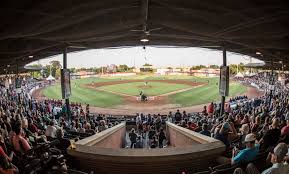
As the gates swing open, visitors are transported back to a time when the crack of the bat and the cheers of the crowd were the soundtrack of summer. The stadium's architecture, with its vintage grandstand and classic wooden bleachers, exudes a timeless elegance that harkens back to the golden age of baseball. It has witnessed the evolution of the game, from the early days of barnstorming teams to the modern era of professional leagues.
One can almost hear the echoes of the legendary players who graced the field, leaving an indelible mark on the sport. Bosse Field hosted games featuring the Evansville Triplets, a Minor League Baseball team that thrilled fans and showcased emerging talent. Baseball icons like Hank Greenberg and Warren Spahn once played on its hallowed grounds, leaving behind a legacy that still resonates in the whispers of the wind that rustles through the aged outfield trees.
The stadium's history extends beyond baseball. During World War II, Bosse Field took on a new role as a training ground for soldiers. The crackling energy of the wartime effort infiltrated its quiet corners, transforming it into a symbol of resilience and unity. The stadium, standing proud against the backdrop of a nation at war, became a source of inspiration for the local community.
Bosse Field's endurance through the decades is a testament to the community's unwavering passion for the game. It has weathered the storms of change, adapting to new eras while preserving the essence of its storied past. The field is more than a sports venue; it's a living museum, a repository of memories etched into the collective consciousness of generations of Evansville residents.
Over the years, Bosse Field has been lovingly maintained, ensuring that each creak of its wooden seats and each blade of grass on its meticulously manicured field tells a story. The stadium stands as a bridge between the past and the present, connecting fans across time through a shared love for baseball. It serves as a reminder that the spirit of the game transcends eras and cultures, linking the present to a bygone era when the crack of a bat echoed through the summer air.
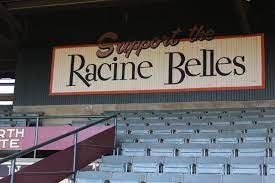
Bosse Field not only holds a distinguished place in baseball history but also played a pivotal role in immortalizing women's contributions to the sport. The year was 1992, and the iconic movie "A League of Their Own" was being filmed at Bosse Field, bringing to life the captivating story of the All-American Girls Professional Baseball League (AAGPBL).
The historic ballpark, with its vintage charm and timeless allure, provided the perfect backdrop for the film's recreation of the Rockford Peaches' home games. As the cameras rolled, Bosse Field's grandstand and meticulously maintained diamond became the stage for the fictionalized tale of the real-life women who stepped up to the plate during World War II when male players were serving overseas.
The cast and crew, including stars like Geena Davis, Tom Hanks, and Madonna, descended upon Evansville, breathing new life into Bosse Field. The stadium, with its weathered but resilient grandstand, witnessed the transformation into Harvey Field, the fictional setting for the movie. The nostalgic echoes of the past intermingled with the excitement of Hollywood magic, creating an unforgettable chapter in Bosse Field's storied history.
The film's director, Penny Marshall, recognized the historical significance of Bosse Field and its connection to women's baseball. The production crew meticulously recreated the atmosphere of the 1940s, ensuring that every detail, from the vintage uniforms to the crackling sound of the public address system, authentically captured the spirit of that bygone era.
Bosse Field's role in "A League of Their Own" not only brought attention to the stadium but also shone a spotlight on the real women who had played professional baseball during a time when societal norms challenged their place in the sport. The film depicted the struggles, triumphs, and camaraderie of the women who defied expectations and left an indelible mark on the history of baseball.
Visitors to Bosse Field can still feel the echoes of that cinematic moment. The stadium proudly displays plaques and memorabilia commemorating its role in "A League of Their Own," ensuring that the legacy of the film and the historical context it portrayed remains intertwined with the physical fabric of the ballpark.
In recent years, Bosse Field has embraced its historical significance while evolving to meet the needs of the modern sports landscape. Renovations have carefully preserved its vintage charm while enhancing the fan experience. The stadium remains a vibrant hub for the community, hosting events that extend beyond baseball, weaving itself into the fabric of Evansville's cultural identity.
Today, this stadium is the home of the Evansville Otters, a professional independent team in the Frontier League and is owned by the Evansville Vanderburgh School Corporation. It is the home field for two Evansville high schools (Evansville Reitz and Mater Dei) and is the host site for the 4A Sectional for southern Indiana and sometimes is a Regional baseball host as well. Rumor has it that Major League Baseball (MLB) wants to host a game at this historic park in the near future.
As the sun sets behind the aging grandstand, casting a warm glow on the field, Bosse Field stands as a timeless monument to the enduring spirit of baseball. The stories embedded within its weathered walls echo with the laughter of children, the cheers of fans, and the crack of a bat that resonates through the ages. It is more than a field; it is a living, breathing testament to the resilience of a community and the enduring magic of America's pastime.