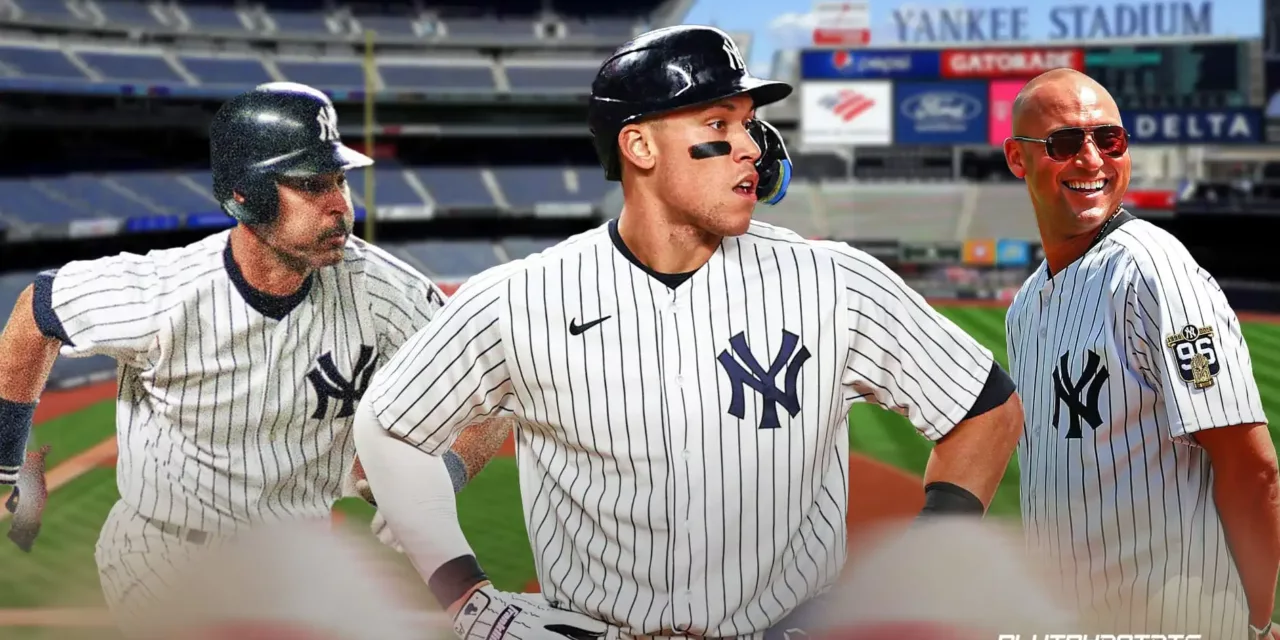
What is the "C" all about?

In the 19th and early 20th century, the captain held most of the on-field responsibilities that are held by managers and coaches in modern baseball. For example, according to the 1898 official rules, the captain was responsible for assigning the players' positions and batting order, for appealing to the umpire
Here’s a brief list of early captaincy in MLB:
First ever captain: Harry Wright Cincinnati Red Stockings 1869
Clark Griffith - New York Yankees 1891-1914
Jimmy Collins - Boston Americans 1901-1905
Tommy Corcoran - Cincinnati Reds 1900-1905
Early Years
In the early days of baseball, there was no formal role of "captain." Leadership was typically shared by experienced players or, in some cases, by the manager. The idea of a captain, as we understand it today, evolved slowly over time.
19th Century
In the 19th century, the closest thing to a captain was a player-manager or a team leader who might assume responsibilities for on-field strategy and communication with the umpire. However, these leaders weren’t formally called "captains" in the modern sense.
Early 20th Century
By the early 20th century, the title of captain began to be used more regularly, although it still wasn’t an official position recognized by MLB or the teams. During this time, several famous players served as captains, though the role was still somewhat informal.
1920's - 1940's
1970s-1980s: A More Reserved Approach to Captaincy
The 1950s-1960s: The Rise of Notable Captains
- The New York Yankees: The Yankees have had a long tradition of naming captains, starting with Clark Griffith and then Frankie Crosetti in the 1930s (although his role was not always officially recognized by the team) and later with Thurman Munson in the 1970s, perhaps one of the most famous captains in MLB history. Munson served as the team captain from 1976 until his tragic death in 1979. He was a key figure in the Yankees' leadership structure during their 1970s dynasty.
The Yankees also had Lou Gehrig as captain for many years, starting in 1935, and he remains one of the most iconic captains in baseball history.
The 1990s to Present: Modern MLB
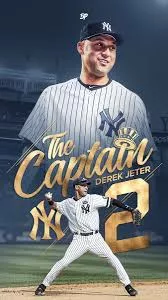
- In 2003, the New York Yankees once again appointed a team captain when they named Derek Jeter as the team leader. Jeter became one of the most prominent and respected captains in MLB history, holding the title from 2003 until his retirement in 2014. Under his leadership, the Yankees won several championships, and he became a central figure in the team's culture.
Other teams, such as the Texas Rangers (with Adrian Beltre holding the role) and the Cincinnati Red (with Barry Larkin), have had captains in more recent years, though the role continues to be less formalized than in other professional sports. Some teams ever elect or vote on multiple team captains, not just one. Although typically one captain is the route for most teams.
Below is the history of Captains for the historic New York Yankees.
| Player | Tenure | Player | Tenure | Player | Tenure |
| Clark Griffith | 1903-1905 | Kid Elberfeld | 1906-1907 | Willie Keeler | 1908-1909 |
| Hal Chase | 1910-1912 | Frank Chance | 1913 | Roger Peckinpaugh | 1914-1921 |
| Babe Ruth | 1922 | Everett Scott | 1922-1925 | Lou Gehrig | 1935-1939 |
| Thurman Munson | 1976-1979 | Graig Nettles | 1982-1984 | Willie Randolph | 1986-1988 |
| Ron Guidry | 1986-1988 | Don Mattingly | 1991-1995 | Derek Jeter | 2003-2014 |
| Aaron Judge | 2023-Present |
Babe Ruth lost his captaincy of the New York Yankees in 1922 after being ejected from a game for throwing dirt at an umpire and attacking a fan.
Significance of Today
Today, captains are not as common in MLB as in other sports, but when appointed, the role remains an important symbol of leadership and experience. While the role of captain in MLB is rare, it still carries a great deal of respect and significance in the teams that utilize it. The captain is often a respected veteran who serves as the leader in the clubhouse, and acts as a liaison between the manager and the rest of the team, providing a steady voice and often handling media responsibilities.
Below is the list of the last time a MLB team had a captain, only 2 currently have a captain listed. Note that the teams are listed in order of most recent and then backwards.
| TEAM | PLAYER | YEARS | TEAM | PLAYER | YEARS | |
| Kansas City Royals | Salvador Perez | 2023-Present | Seattle Mariners | Spike Owen | 1986 | |
| New York Yankees | Aaron Judge | 2023 - Present | Houston Astros | Enos Cabell | 1984-1985 | |
| New York Mets | David Wright | 2013-2018 | San Francisco Giants | Jack Clark | 1984 | |
| Texas Rangers | Adrian Beltre' | 2013-2018 | Pittsburgh Pirates | Bill Madlock | 1983 | |
| Chicago White Sox | Paul Konerko | 2006-2014 | California Angles | Don Baylor | 1978-1982 | |
| Boston Red Sox | Jason Varitek | 2005-2011 | Los Angeles Dodgers | Davey Lopes | 1978-1979 | |
| Chicago Cubs | Sammy Sosa
Kevin Tapani |
2000-2001 | Philadelphia Phillies | *Mike Schmidt | 1978-1979 | |
| Cincinnati Reds | Barry Larkin | 1997-2004 | Oakland A's | Sal Bando | 1969-1976 | |
| Detroit Tigers | Dean Palmer
Doug Brocail Brad Ausmus |
1999 | St. Louis Cardinals | Ted Simmons
Reggie Smith |
1976 | |
| Cleveland Indians | Joe Carter | 1987-1989 | Minnesota Twins | Harmon Killebrew | 1961-1974 | |
| Baltimore Orioles | Eddie Murray | 1986-1988 | Atanta Braves | Johnny Evers | 1914-1917 |
*Interesting note: Philadelphia Phillies: Mike Schmidt was not comfortable with the position of captain was he was voted in, and his play suffered with it. When Pete Rose arrived, there was this added veteran in the clubhouse to act as an emotional boost, Mike stepped down, his play improved, they won the World Series, and the Phillies haven't had a captain since. *
| Arizona Diamondbacks | Colorado Rockies | Miami Marlins |
| Milwaukee Brewers | San Diego Padres | Toronto Blue Jays |
| Tampa Bay Rays | Washington Nationals | **Last Captain for Montreal Expos was Gary Carter 1984** |