The history of MLB ejections dates back to the early days of professional baseball. An ejection occurs when an umpire removes a player, coach, or manager from the game for unsportsmanlike behavior, arguing, or breaking the rules. The power to eject someone from a game is part of the umpire's authority and has been in place since the late 19th century.
The saying goes that “you can’t argue balls and strikes,” and often announcers will state this as a fact of the law (i.e., the rules) of baseball. And that’s both true, and does seem to be a quick way for managers to earn ejections. However, a closer inspection of the rules is instructive in this discussion. From MLB’s rule book, rule 9.02 (a) :
Any umpire’s decision which involves judgment, such as, but not limited to, whether a batted ball is fair or foul, whether a pitch is a strike or a ball, or whether a runner is safe or out, is final. No player, manager, coach or substitute shall object to any such judgment decisions.
By the rules, not only are managers disallowed from arguing balls and strikes, but they really can’t object to much of anything (except interpretations of the rules, which seem to pop up less frequently). So we have now established that umpires are not merely following the rulebook if conventional wisdom suggests “arguing balls and strikes” is a reason to get thrown out, assuming that is often the cause of ejections. It must be that umpires are using ejections for purposes other than a strict rule interpretation.
In the example of baseball ejections, it’s not as simple as an actual discussion of the rules or judgement of the umpire that has a chance to affect the outcome or reality of the game. The umpire is performing an exaggerated “toss” to convey that the manager has lost all control and that the umpire must urgently eject (!) the manager from the game (perhaps the very best example of this is from the legendary tossing of Earl Weaver, when umpire Bill Haller dismisses Weaver while exclaiming “kaboom!”).
Consider the extreme end of managerial ejections; the ones that go viral can’t be construed as anything but a piece of performance. In these instances, managers are certainly no longer even saying anything about the game of baseball itself; they are making spectacle to make spectacle where (in the rules of the game) it does not belong.
You don’t see many ejections anymore – in any sport. They’re frowned upon by league administration for the sake of image; and if players or coaches get tossed often enough they’re suspended to the point of it being ridiculous…the penalty being worse than the crime. And in amateur sports – high school, college, and even Little League – it’s become thought of as a black eye on the community if someone is thrown out. High school baseball has guidelines that say if a coach or player is ejected they can be levied a two-game suspension; and coaches must take an online course.
“And if you do eject someone, especially in college games, the paperwork is more trouble than it’s worth. You have to file a report on what was said, and the penalties can be pretty severe. So now a lot of guys just ignore confrontation and grow thicker skin because they want to work the bigger games at the end of the year.” But does an ejection necessarily mean that someone has exhibited poor sportsmanship?
“No”. “Back in the day it happened because it was entertaining to the crowd, and it was over and done with. No one gave it a second thought. Or, if a coach thought his team was less than interested in playing on a given night he’d get thrown out to wake them up. But no one ever took it personally.” Now, that part of baseball is gone with video replay. There is no recourse for argument, or even discussion, once the play is reviewed, so that bit of theater has been removed from baseball, probably forever.
Ejections throughout the years, much like home runs, strikeouts, or any other viable statistic, have waxed and waned, all the while remaining susceptible to their own trends. Unlike home runs, strikeouts, and the like, however, attitudes toward ejections and how umpires should make use of this disciplinary tool have also changed over the years.
All Time Ejection Leaders
| Rank | Name |
Total Ejections |
| 1 | Bobby Cox* | 162 |
| 2 | John McGraw* | 121 |
| 3 | Leo Durocher* | 100 |
| 4 | Earl Weaver* | 96 |
| 5 | Tony La Russa* | 93 |
| 6 | Frankie Frisch* | 88 |
| 7 | Bruce Bochy | 86 |
| 8 | Ron Gardenhire | 84 |
| 9 | Paul Richards | 82 |
| 10 | Clark Griffith* | 73 |
| Jim Leyland* | 73 | |
| 12 | Joe Torre* | 70 |
Weaver: Kaboom
More Ejections
Here’s a quick look at the history of MLB ejections:
Early Days (Late 1800s):
The umpire’s authority to impose discipline for unsporting conduct initially took the form of fines, not ejections, beginning in 1879. Indeed, umpires during the subsequent decade believed that fines were a more effective measure of discipline than ejections, as reflected by a late-century National League vote. When inappropriate behavior persisted, however, the ejection was born in 1889. As a result, explosive personalities like Baltimore/New York’s John McGraw racked up ejections by the score: McGraw himself was ejected 132 times over the 1893-1931 seasons, including four years with at least 10 ejections each, and 10 seasons with at least five, all 10 ejection-heavy seasons taking place prior to 1917, a trend common to the first era of umpiring
- The first ejection: first documented ejection was in 1887. In this case, umpire Tim Hurst ejected the entire New York Giants team after they protested his calls too much.
Early 20th Century:
- Developing a standard: As the game evolved, ejections became more structured, with umpires increasingly making decisions on player conduct. The "tossing" of players or managers became common when disputes over calls or behavior got out of hand.
Mid-20th Century:
In the late 1930s umpire history began to change dramatically with the advent of formal umpire training. George Barr founded the first School for Umpires in 1935 and Bill McGowan followed suit in 1939; The creation of an actual school or educational program for officiating professional baseball not only identified skilled personnel and standardized techniques, but also solidified the permanence of umpiring as a legitimate craft and profession. Though 36 men both played/managed and umpired in the American or National League during the first half of the twentieth century, not a single active player or manager has served as a major-league umpire since Bill Kunkel in the 1960s.
- Manager ejections: The idea of managers frequently getting tossed out of games became a part of the sport's culture. Managers like Leo Durocher and Earl Weaver were famous for their fiery tempers and frequent ejections.
1960s-1970s:
Professionalization of umpiring changed the attitudes toward and treatment of umpires, correspondingly impacting ejections. By the mid-twentieth century veteran umpires collectively tended to eject less and less frequently.
- The 1960s saw more consistency in umpire authority, with players and managers generally accepting that ejections were a legitimate part of the game. In the 1970s, ejections became more routine as tensions over rule enforcement increased.
1980s- 2000s:
In 1999 NL umpires experienced 107 ejections while the AL staff generated 100 ejections for a grand total of 207. In 2000 the combined major-league staff threw out 228 players, managers and coaches, climbing to 242 ejections in 2001 before hitting a modern-era high of 282 heave-hos in 2003.
- The role of replay: With the advent of video replay and technology, ejections have become more scrutinized, but the fundamental power of an umpire to eject players remains unchanged. The use of replay has sometimes led to more transparency about whether an ejection was warranted or not.
- Manager/umpire interactions: Ejections remain a major part of baseball’s spectacle, often leading to heated arguments and dramatic moments in games.
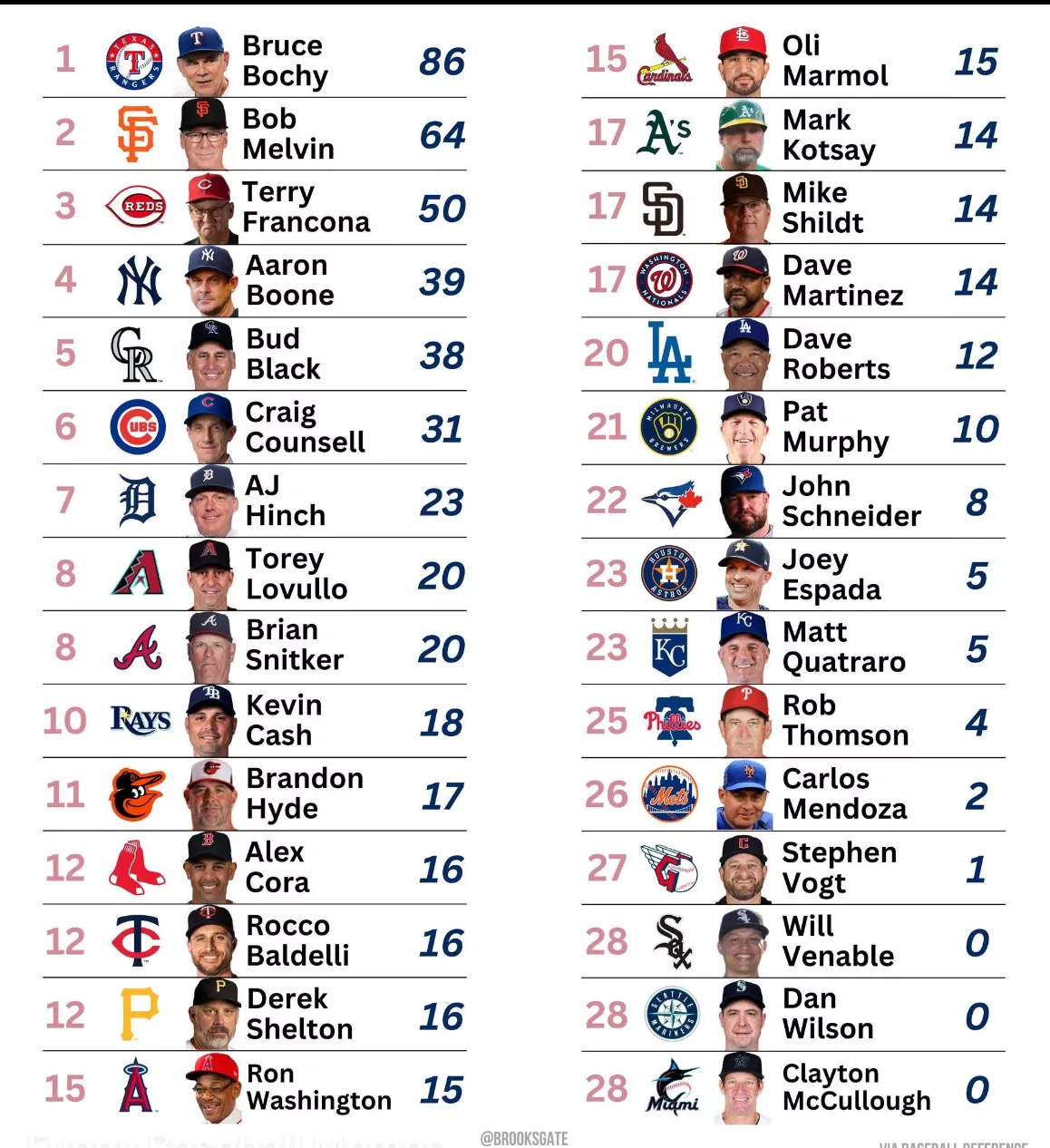
Current Mangers Ejection Totals
2000s- modern day:
Umpiring’s modern era may be further divided into the following segments: one with no video instant replay, the second with limited replay, and the present with expanded replay. In the middle of the 2008 season, baseball adopted limited instant replay review specifically for home-run boundary calls — whether the hit was fair, foul, live, dead, or subject to spectator interference.
- From 2008 through 2013, baseball experienced 392 total replay reviews of home-run boundary calls, 132 of which (33.7 percent) were overturned. A corresponding decline in ejections followed, bottoming out at 164 in 2009 and 179 in 2012.
- The MLB has continued to refine the rules and procedures surrounding ejections, but they remain an integral part of the game. Ejections are seen as a way to maintain discipline and fairness on the field.
Famous Ejections:
- Earl Weaver (Baltimore Orioles manager): Known for his legendary confrontations with umpires, Weaver holds the record for most career ejections in MLB history, with more than 90 ejections over his 17-year managerial career.
- Lou Piniella (Cincinnati Reds, Chicago Cubs, Tampa Bay Rays): Another manager famous for his passionate arguments and ejections, often involving dramatic tirades or tossing bases onto the field.
- Billy Martin (New York Yankees manager): Known for his fiery personality, Martin was ejected numerous times during his career, adding to the spectacle of the Yankees' drama-filled seasons.
In summary, ejections have been part of the MLB’s fabric for well over a century, evolving from physical confrontations to a more structured part of the game. They're an important aspect of ensuring the integrity of the game and maintaining order on the field. Regardless of whether we feel the ejections are right or wrong....... they are fun to watch.