Back to the Future..........Trading Cards
The history of baseball cards dates back to the mid-19th century, and the concept of trading cards initially emerged as a marketing strategy. Here's a brief overview of the beginning of baseball cards:
- Early Developments (19th Century): The earliest baseball cards were not specifically produced for baseball players but were part of a broader trend of trading cards featuring various subjects. In the 1860s, trade cards featuring baseball-related imagery began to appear, often as a way for companies to promote their products. These early cards were not standardized and were typically included in packages of tobacco, candy, or other consumer goods.
- The Rise of Tobacco Cards: The tobacco industry played a significant role in the evolution of baseball cards. In the late 19th and early 20th centuries, tobacco companies began including collectible cards with their products to boost sales. These cards featured illustrations or photographs of baseball players and became highly sought after by fans.
- T206 Set (1909-1911): The T206 set is one of the most famous and valuable sets of early baseball cards. Produced by the American Tobacco Company from 1909 to 1911, it included over 500 cards featuring players from various baseball teams. Notable cards from this set include the Honus Wagner card, which is one of the most valuable and sought-after baseball cards in existence.
- Golden Age of Baseball Cards (1930s-1950s): The popularity of baseball cards continued to grow during the 1930s, 1940s, and 1950s. Companies like Goudey, Bowman, and Topps became prominent producers of baseball cards. The introduction of bubble gum cards by Topps in 1952, featuring the iconic Mickey Mantle card, further fueled the craze.
- Topps Dominance: In the 1950s, Topps became a dominant force in the baseball card industry and remains a major player to this day. Topps has produced numerous iconic sets and cards, contributing to the cultural significance of baseball cards.
- Expansion and Innovation: Over the years, the baseball card industry has evolved, with new companies entering the market, and innovations such as holograms, autographs, and game-used memorabilia cards becoming part of modern card sets.
Baseball cards have become a cherished aspect of the sports memorabilia market, and the early cards from the late 19th and early 20th centuries hold particular historical and monetary value among collectors. The hobby continues to thrive, with modern sets and vintage cards both maintaining their appeal to collectors and enthusiasts.
What about the 80's
The 1980s were a dynamic and transformative period for the baseball card industry. Several factors, including increased production, innovation in card design, and the emergence of new card manufacturers, contributed to both the growth and challenges faced by the industry during this decade. Here are some key aspects of the baseball card industry in the 1980s:
- Boom in Production:
- The 1980s witnessed a significant increase in the production of baseball cards. Card manufacturers, particularly Topps, Donruss, and Fleer, expanded their print runs to meet the growing demand from collectors and fans.
- The mass production of cards during this era led to an oversaturation of the market, resulting in a perception that cards from this period were less rare and valuable compared to earlier decades.
- Key Rookie Cards:
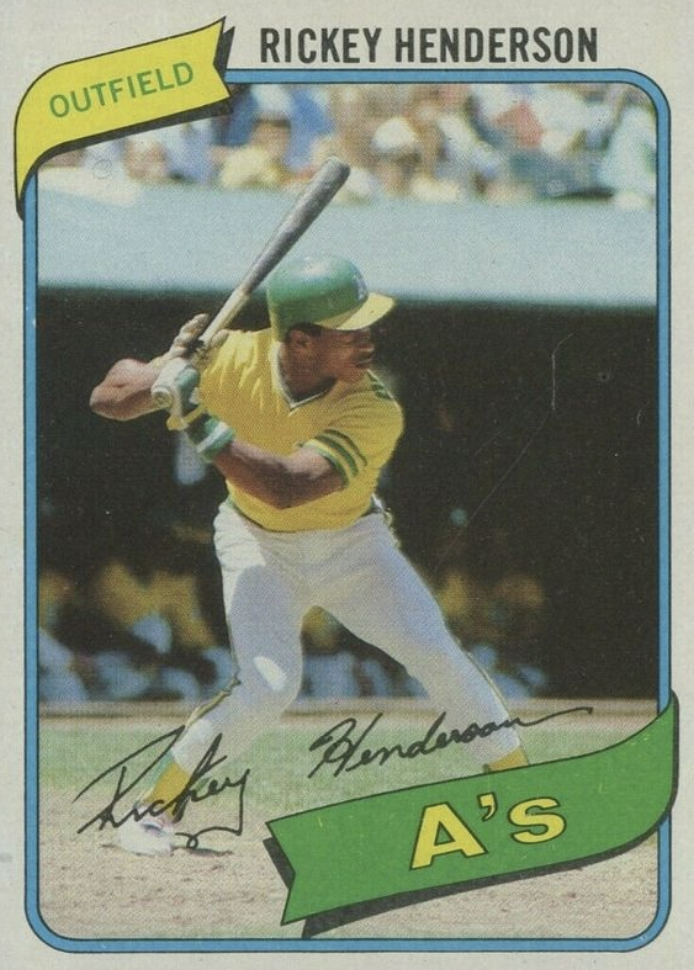
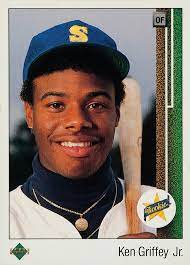
- The 1980s produced several iconic rookie cards that remain highly coveted among collectors. Notable examples include the 1980 Topps Rickey Henderson, the 1983 Topps Tony Gwynn, and the 1989 Upper Deck Ken Griffey Jr.
- Inserts and Specialty Cards:
- Manufacturers began experimenting with inserts and specialty cards to add excitement to packs. These included holograms, stickers, and subsets highlighting specific achievements or themes. Upper Deck, entering the market in 1989, was particularly known for its high-quality cards and innovative hologram inserts.
- Error and Variation Cards:
- The 1980s saw the emergence of error and variation cards, where mistakes in printing led to unique and collectible variations. Notable examples include the 1989 Fleer Billy Ripken "F*** Face" error card.
- Grading and Authentication:
- The 1980s saw the beginning of third-party grading services such as Professional Sports Authenticator (PSA), which helped standardize the condition assessment of cards. Graded cards became increasingly popular among collectors.
- Transition to Glossy and Full-Color Cards:
- The 1980s marked a shift towards glossy and full-color card designs. Card manufacturers embraced modern printing technologies, resulting in more visually appealing cards.
While the 1980s brought about innovation and expansion in the baseball card industry, it also set the stage for challenges in the following decades. The overproduction of cards during this period, often referred to as the "junk wax era," led to a saturation of the market, and many cards from that time are generally less valuable compared to earlier eras. Nevertheless, the 1980s remain a significant and nostalgic period for collectors who grew up during this era.
The Overstocked 1990's
The 1990s were a period of both continued growth and significant challenges for the baseball card industry. Here are some key aspects of the baseball card industry in the 1990s:
- Mass Production Continues:
- The trend of mass-producing baseball cards that began in the 1980s continued into the 1990s. Card manufacturers, including Topps, Donruss, Fleer, Upper Deck, and others, printed large quantities of cards to meet the demand from collectors.
- Premium Sets and High-End Cards:
- The 1990s saw the introduction of premium and high-end sets, which featured higher-quality cardstock, improved printing techniques, and innovative designs. Upper Deck, in particular, set a new standard for quality with its 1989 debut and continued to produce premium cards throughout the decade.
- Rookie Card Mania:
- The 1990s were marked by a focus on rookie cards. Collectors eagerly sought cards featuring the rookies of promising young players, contributing to the popularity of rookie cards as key collectibles.
- Graded Cards and Authentication:
- The practice of grading and authenticating baseball cards gained further prominence in the 1990s. Third-party grading services like PSA continued to provide collectors with a standardized way to assess the condition of their cards.
- Decline in Value and Overproduction: The overproduction of baseball cards in the late 1980s and early 1990s led to a saturation of the market and a decline in the perceived value of cards. Many cards from this era are often referred to as part of the "junk wax era" due to their widespread availability.
- Player Strikes and Impact on the Hobby:
- The MLB player strike in 1994 and subsequent cancellation of the World Series had a notable impact on the baseball card industry. Collectors' interest waned, and the hobby faced challenges during this period
The 1990s left a lasting imprint on the baseball card collecting hobby. While it was a period of innovation and experimentation with premium cards and inserts, it also brought about challenges due to overproduction and external factors affecting the sport itself. The industry continued to evolve in the subsequent decades in response to these challenges and changes in collector preferences.
TODAY and BEYOND
The baseball card industry continues to evolve, influenced by various factors such as technology, market trends, and changes in collecting preferences. Here are some aspects of the baseball card industry today and potential trends for the future:
Current Trends:
- Modern Technology Integration:
- The integration of modern technology has become more prevalent in the industry. Digital trading cards, blockchain technology, and non-fungible tokens (NFTs) have gained attention, offering collectors new ways to engage with the hobby.
- Graded Cards and Authentication:
- Grading services continue to play a significant role in the hobby, with collectors placing high value on professionally graded and authenticated cards. Third-party grading companies like PSA and Beckett remain influential.
- Rookie Cards and Key Players:
- Rookie cards of rising stars and key players are still highly sought after by collectors. The emergence of new talent in Major League Baseball continues to drive interest in collecting the next generation of stars.
- Specialty and Limited-Edition Releases:
- Card manufacturers continue to produce specialty and limited-edition releases, including autographed cards, relic cards featuring game-used memorabilia, and other unique inserts to attract collectors looking for rare and exclusive cards.
It's important to note that the trends and predictions mentioned are based on the state of the industry as of early 2022. The baseball card market is dynamic, and new developments may have occurred since then. Collectors and industry participants should stay informed about the latest trends and changes in the hobby.
Most Valuable Baseball Cards of All Time
| Player | Type of Card | Estimated Mint Value |
| Mickey Mantle | 1952 Topps #311 | $12,600,000 |
| Honus Wagner | 1909 T206 White Border | $7,250,000 |
| Babe Ruth | 1914 Baltimore News card | $6,000,000 |
| Babe Ruth | 1933 Goudey #53 | $4,200,000 |
| Mickey Mantle | 1951 Bowman #253 Rookie Card | $3,200,000 |
Most Valuable Modern-Era Baseball Cards
| Player | Type of Card | Estimated Mint Value |
| Rickey Henderson | 1980 Tops #482 | $180,000 |
| Ken Griffey Jr. | 1989 Bowman Tiffany #220 | $24,000 |
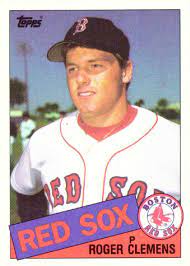
| Roger Clemens | 1985 Topps Tiffany #181 | $14,000 |
| Bo Jackson | 1986 Topps Traded #50 | $12,300 |
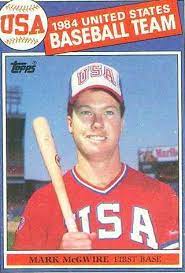
| Mark McGwire | 1985 Topps (Olympic Team) | $11,600 |
Most Valuable Modern Baseball Cards 2020, 2021, 2022, 2023
| Player | Type of Card | Estimated Mint Value |
| Mookie Betts | 2020 Topps #420 | $1,400 |
| Mike Trout | 2021 Topps #27 | $961 |
| Wander Franco | 2022 Topps #215 | $1,375 |
| Adley Rutschman | 2023 Topps #250 | $2,300 |