The MLB draft is not an exact science
The Major League Baseball draft is an inexact science. Even with modern analytics, scouting reports, and years of data, projecting how an 18- or 21-year-old will develop against elite competition remains incredibly difficult. For every future Hall of Famer selected early, there are cautionary tales—players who, for a variety of reasons, never came close to meeting expectations. When it comes to first-round picks, the stakes are even higher. These selections are supposed to anchor franchises, making the misses all the more painful.
Some of the worst first-round draft picks in MLB history stand out not just because they failed, but because of what teams passed up to select them.
One recurring theme among draft busts is the “toolsy” high school player who never develops. Scouts often fall in love with raw athleticism—speed, arm strength, power potential—but translating those tools into actual production is far from guaranteed. Players like Brien Taylor, once considered a can’t-miss pitching prospect, never threw a single major league pitch after a shoulder injury suffered in an off-field incident. His case highlights how unpredictable development—and life circumstances—can derail even the brightest careers.
Injuries are another major factor behind failed first-rounders. Mark Appel, selected first overall in 2013, was viewed as a polished college pitcher with a high floor. Yet he struggled with performance and confidence issues, alongside the physical toll of pitching, and never established himself in the majors during his initial run. While he eventually made a comeback years later, he never fulfilled the expectations tied to a top pick.
Then there are players who simply never adjust to higher levels of competition. Baseball’s minor league system is designed to filter out weaknesses, and some top picks are exposed quickly. Matt Bush, the first overall pick in 2004, struggled both on and off the field. His career was marred by legal issues and inconsistency, and while he later reinvented himself as a pitcher and reached the majors, it came far removed from the expectations of a franchise cornerstone shortstop.
Poor drafting strategy has also contributed to infamous misses. Teams sometimes prioritize signability—choosing a player they believe they can sign under budget—over pure talent. This approach has occasionally led to passing on generational players in favor of more “manageable” prospects who never pan out. The result is not just a bust, but a compounded loss when future stars were available.
Another category of disappointment includes players who made the majors but delivered minimal impact. These players aren’t complete unknowns, but relative to their draft position, they fall far short. A first-round pick who becomes a fringe major leaguer or a career bench player can still be considered a failure given the opportunity cost involved.
It’s also important to acknowledge the psychological side of baseball. The pressure placed on first-round picks—especially top-five selections—can be immense. Not every player can handle the expectations, media scrutiny, and rapid rise through the minors. Confidence, adaptability, and mental resilience often separate those who succeed from those who falter.
Despite these high-profile misses, the MLB draft remains a critical tool for building successful organizations. Teams accept that failure is part of the process. Even the best scouting departments have their share of mistakes. What matters is minimizing those misses and maximizing the chances of landing impact players.
In the end, the “worst” first-round picks are not just defined by poor performance, but by the gap between expectation and reality. They serve as reminders of how uncertain player development can be—and why even the most highly touted prospects are never guaranteed success.
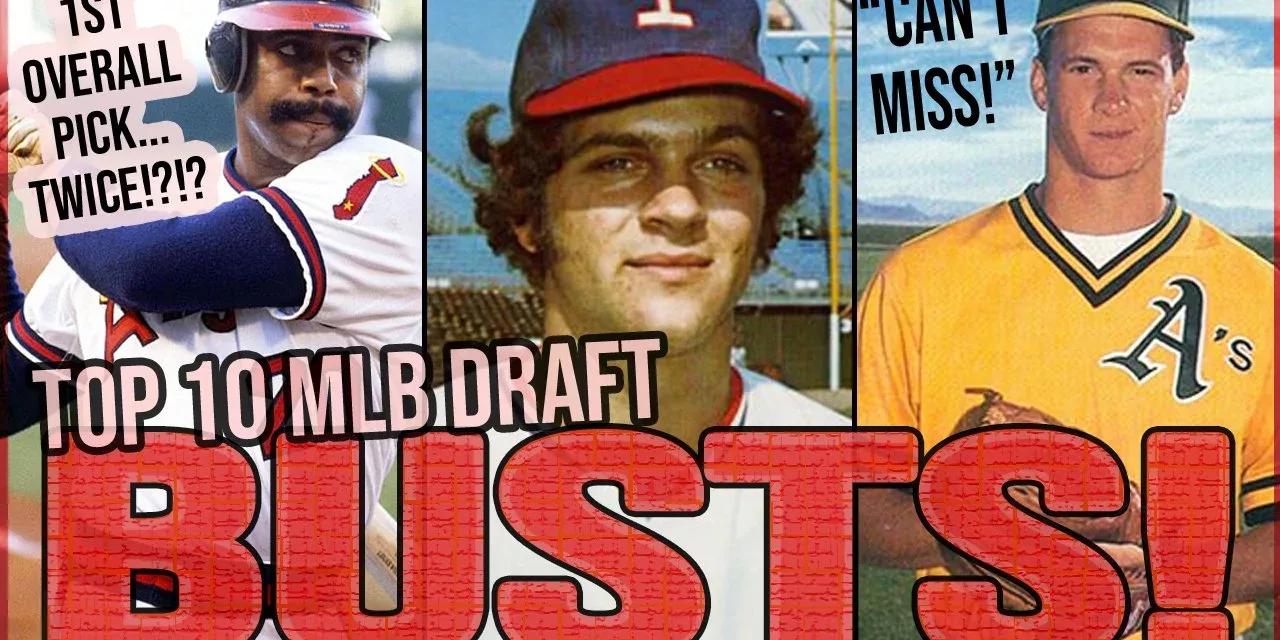
Some of those #1 pick misses
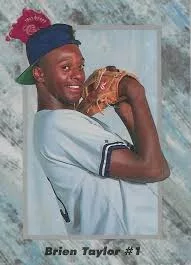
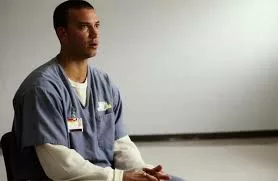
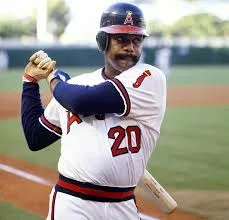
Brien Taylor Matt Bush Danny Goodwin
(Taylor) The #1 pick who ruined his arm in a fistfight beforethe majors. (Bush) Drafted 1st overall by San Diego and arrested shortly after. (Goodwin) The only player twice by different teams, played 7 seasons but batted .236 w/ 13 homeruns.
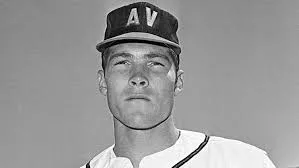
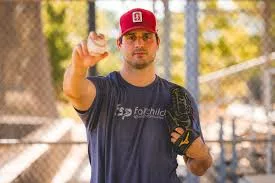
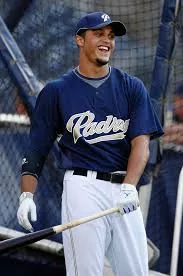
Steve Chilcott Mark Appel Donavan Tate
(Chilcott) The #1 pick who never made it to the majors, but known as the guy picked before Reggie Jackson at #2 pick. (Appel) The #1 pick who stepped away from the game at his peak, he played in one season after his comeback, but that is it. (Tate) The 6.7 Million bonus pick of the Padres, struggled with injuries and performance, Tate suffered from substance abuse and never getting higher than High A ball.
Who are the best players that went undrafted?
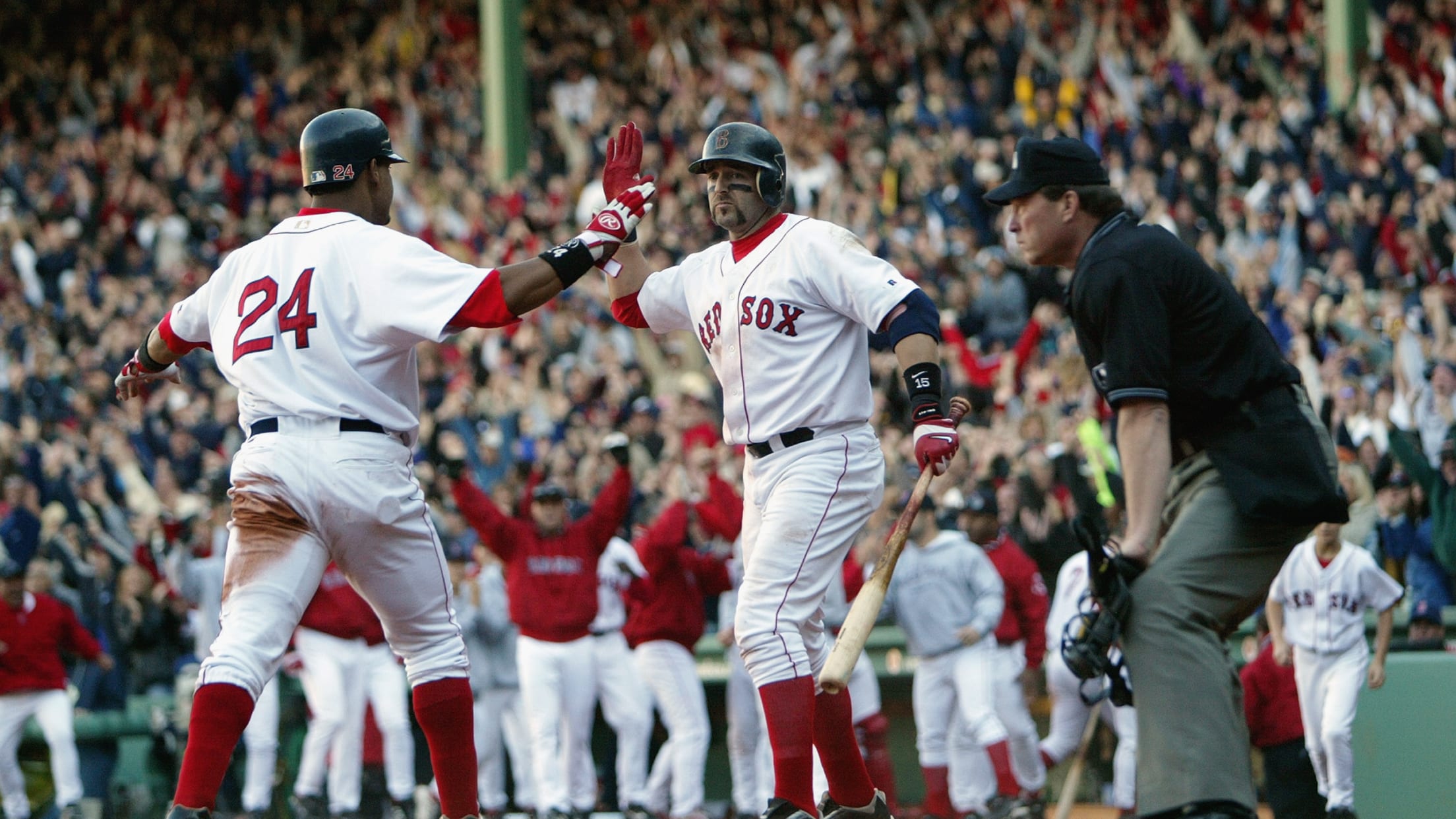
Millar was a star in college, carrying little-known Lamar to an NCAA Regional berth while leading the team in just about every offensive category. Also like Redmond, he was off of most scouts' radars: Undrafted after graduating in the spring of 1993, Millar had to sign on with the independent St. Paul Saints to keep his baseball dream alive.
Millar got his big league break thanks to Florida, which offered him a spot at Class A Kane County. From there, the first baseman just kept on hitting, and the rest is Idiot history.
2B: Frank White
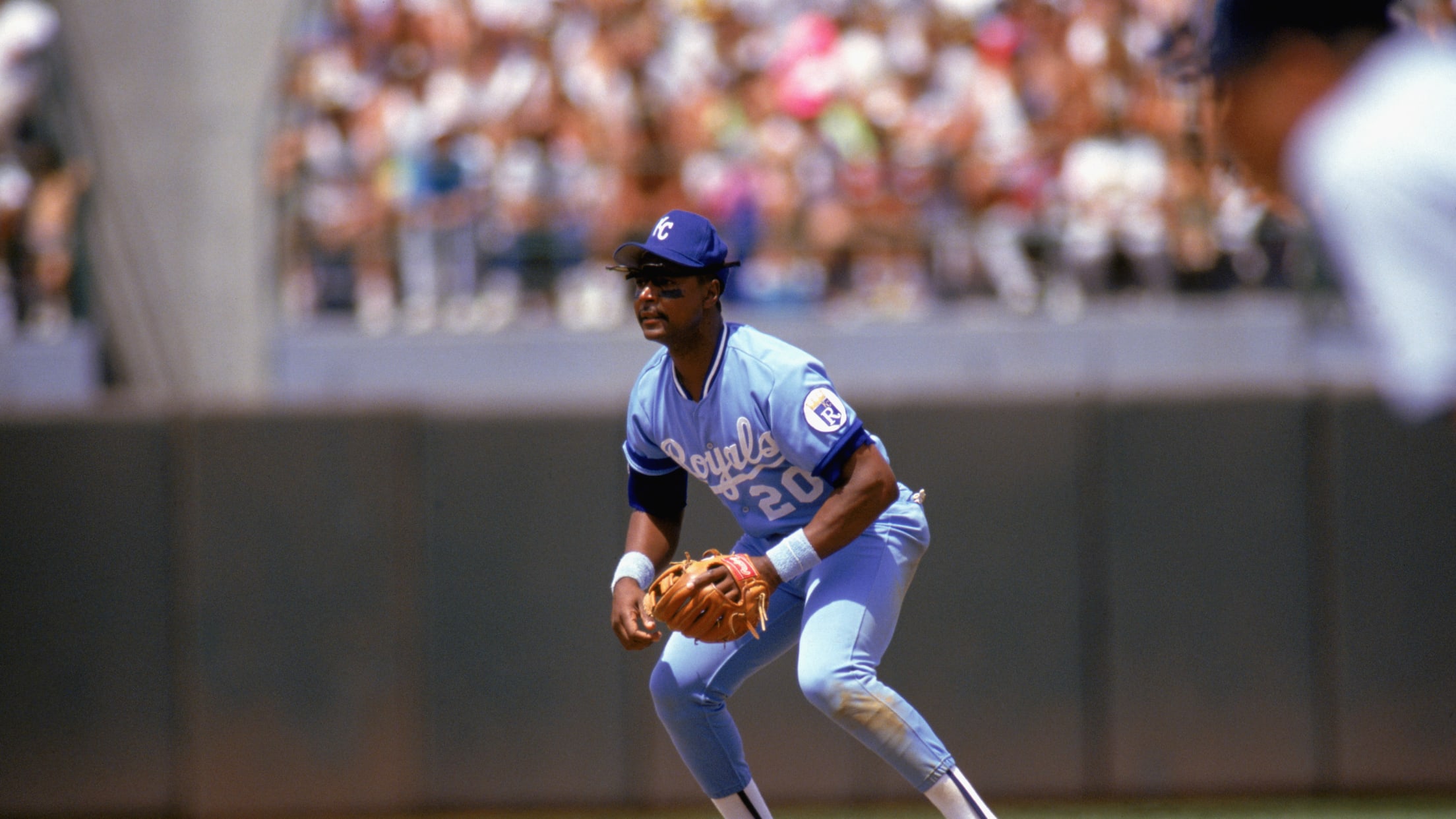
White was toiling away at a community college in Lee's Summit, Mo., just about ready to give up on baseball, when the Royals Academy came calling. The brainchild of owner Ewing Kauffman, the Academy's goal was simple: Find talented athletes without a lot of baseball experience and mold them into big leaguers.
White was part of the first class in 1970, and three years later, he found himself in the Majors -- the start of an 18-year career, all with Kansas City, that landed him in the Royals Hall of Fame. He was known mainly for his sparkling defense at second base (they didn't call him "Hoover" for nothing -- but it was his offense that helped the Royals to a tide-turning win in Game 3 of the 1985 World Series:
SS: Larry Bowa
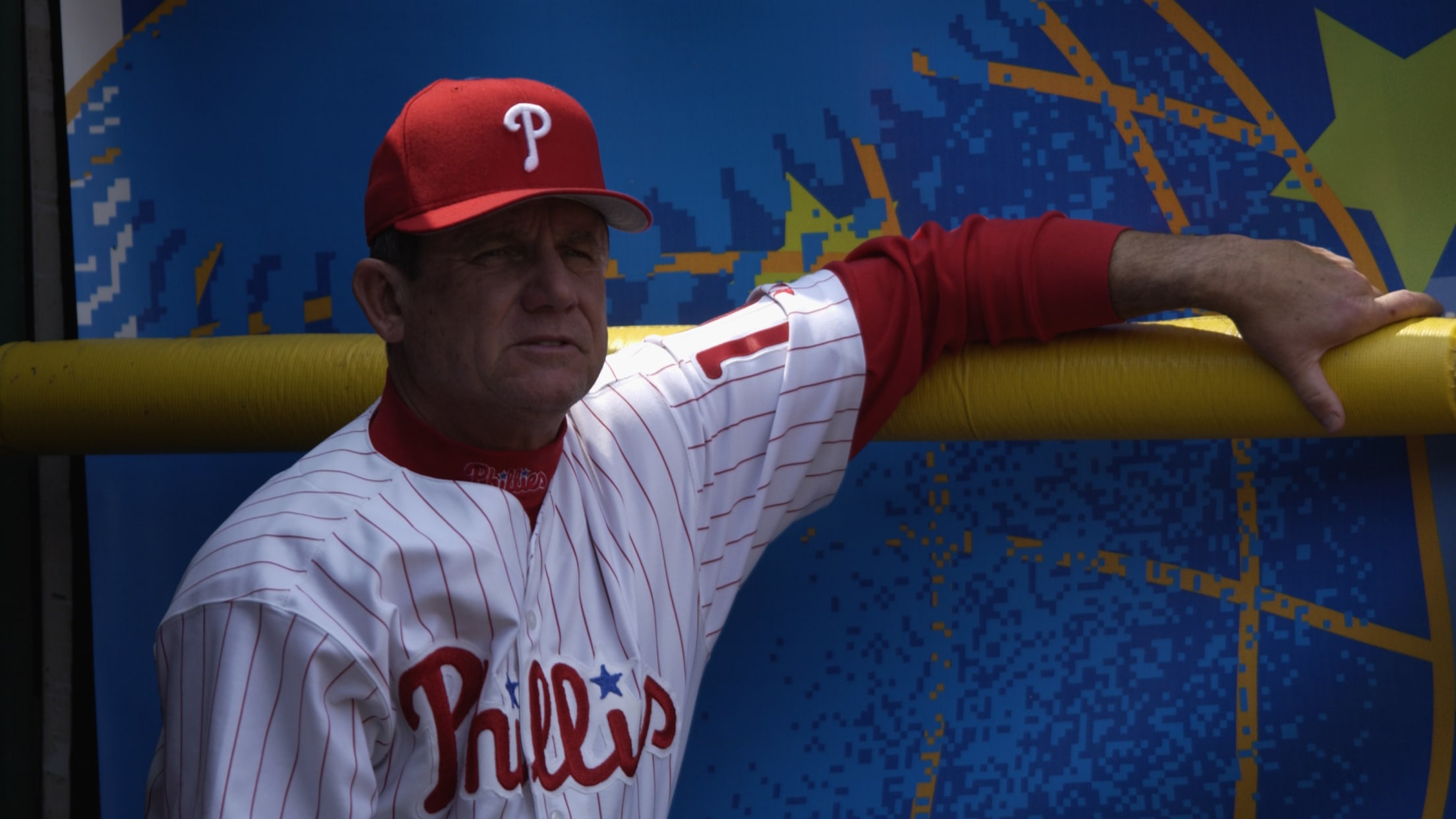
Forget the Draft -- growing up in Sacramento, Bowa never even managed to make his high school team. He finally got his chance at Sacramento City College, where some awfully smooth defense helped him carve out a starting spot.
Still, Bowa went undrafted in 1965, and exactly one scout showed any interest in him: Philly's Eddie Bockman, who offered him a $2,000 bonus and a winter league spot. Bowa never grew into much with the bat -- he hit just 15 homers with a .620 OPS in his career -- but over 16 years in the big leagues, he made five All-Star teams, won two Gold Glove Awards and retired as the all-time leader in games played at shortstop.
3B: Bobby Bonilla
More than 850 players heard their names called in the 1981 Draft, but somehow, Bonilla -- despite starring on his high school team in the Bronx -- wasn't one of them. Figuring that he should take the hint, the third baseman enrolled at the New York Institute of Technology, where he planned on pursuing his interest in computer science.
At a baseball camp in Europe, though, his fortunes changed. Pirates scout and excellent hair-metal alter ego Syd Thrift was so impressed that he signed him on the spot, presumably because he could do things like this to a baseball:
LF: Kevin Mitchell
It's not hard to figure out why Mitchell went undrafted: He didn't play much baseball in high school, preferring football and boxing as he bounced between several high schools in San Diego. But a friend convinced him to show up for a local Mets winter league tryout in 1980, and despite getting plunked in the head multiple times by throws from the outfield, New York's scouts were won over as soon as they saw him step into the batter's box.
He posted a career 142 OPS+ and won the 1989 NL MVP Award with the Giants. Oh, and he also once caught a fly ball with his bare hand:
SP: Danny Darwin
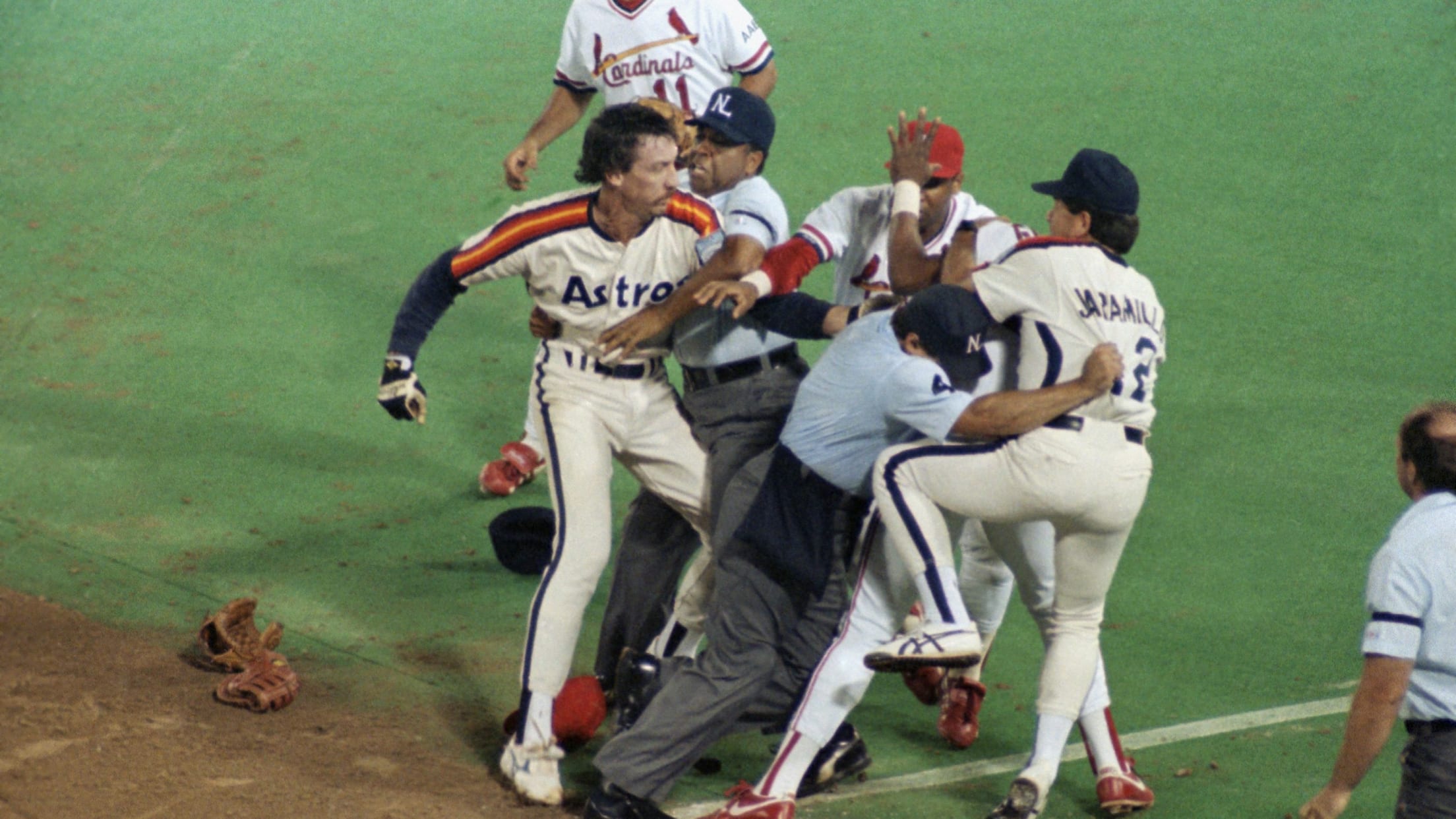
Coming out of little Bonham (Texas) High School -- enrollment: 500 -- Darwin never really entertained the possibility of playing professional baseball. But a friend convinced him to try out for the team at Grayson County Community College, and he was so dominant in his sophomore year that the Rangers threw a $37,500 bonus at him in 1976.
He went on to win 171 games with a 3.84 ERA over 21 Major League seasons spent mostly with the Rangers and Astros. More importantly, however, Darwin was also blessed with one of the best nicknames in baseball history: Dr. Death, given to him by teammate Nolan Ryan in honor of just how fearless Darwin was on the mound. And lest you think Ryan was being hyperbolic:
RP: Bruce Sutter
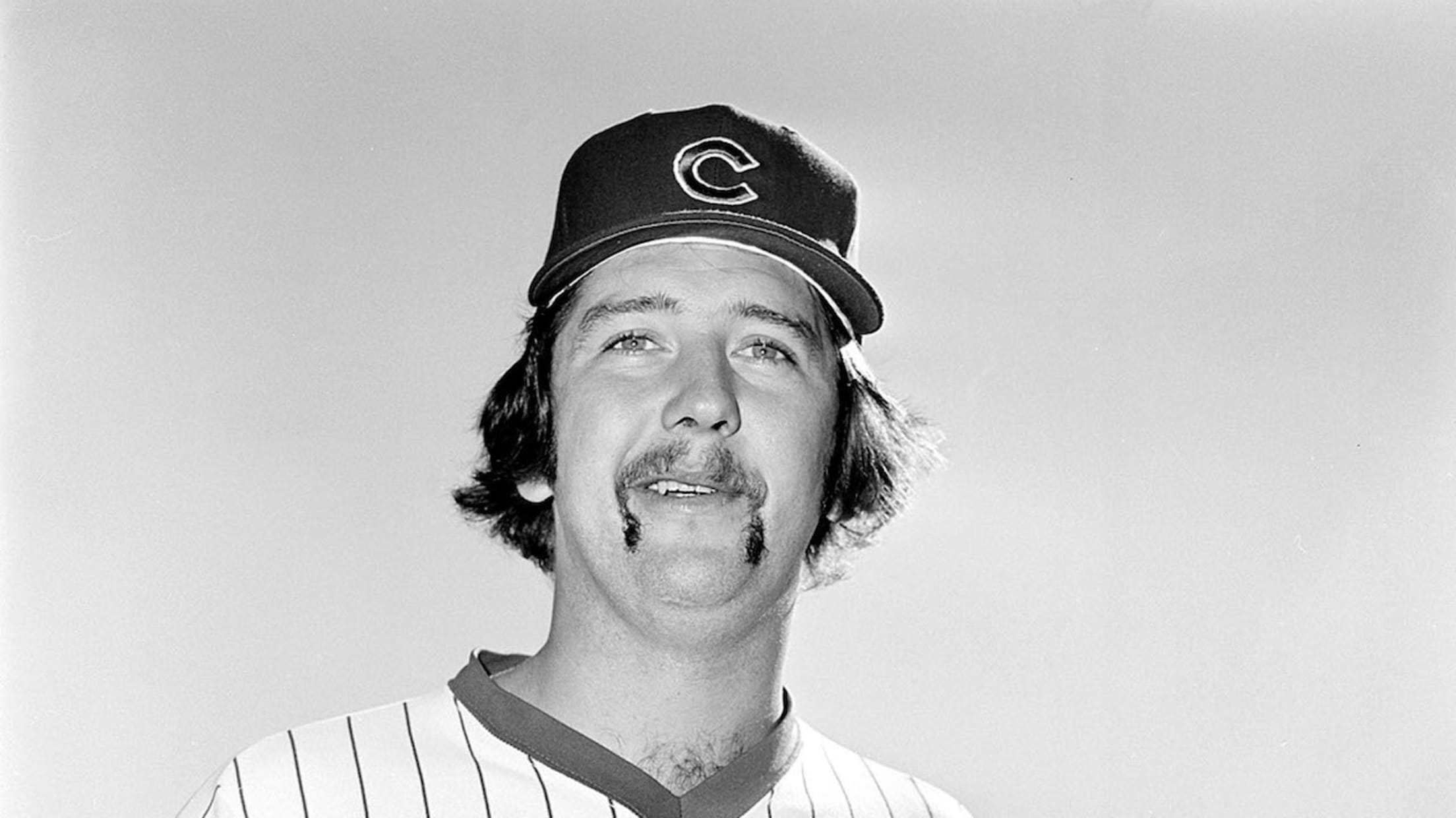
Sutter was taken in the 21st round of the 1970 Draft by the Washington Senators, but he opted to attend Old Dominion instead, then dropped out after less than a year in order to play independent ball. That's where the Cubs found him in the summer of 1971, and they decided to take a chance and sign the righty for $500.
In this case, opting to go undrafted was the best thing that could've happened to Sutter: In Spring Training 1974, Fred Martin, Chicago's Minor League pitching instructor, asked him to try a new grip to add something to his repertoire -- and just like that, Sutter's legendary splitter was born.